N. Orsini • Frameworks
Analytical Learning Framework
Narrative Analysis System
Role
Instructional Designer / Curriculum Author
Format
Cross-curricular analytical framework
Audience
A2-C1 (Junior through Opsis)
Publisher
Crow's Call Press
$ 01

Overview

The Narrative Analysis System is a structured framework for developing literary interpretation skills through three analytical lenses: Archetypes, Allusions and Symbolism, and Theme Analysis. Each lens provides students with conceptual scaffolding and a repeatable process for reading beneath the surface of a text, moving from recognition to reasoning to written response.

The system is designed to operate across the CROW curriculum, providing learners with a shared analytical vocabulary that grows in sophistication across levels. Rather than treating literary devices as isolated terms to memorize, the Narrative Analysis System situates each lens within a broader interpretive practice, connecting what students observe in a text to what it means within narrative, cultural, and philosophical contexts.
Three Analytical Lenses
Lens 01 - Archetypes
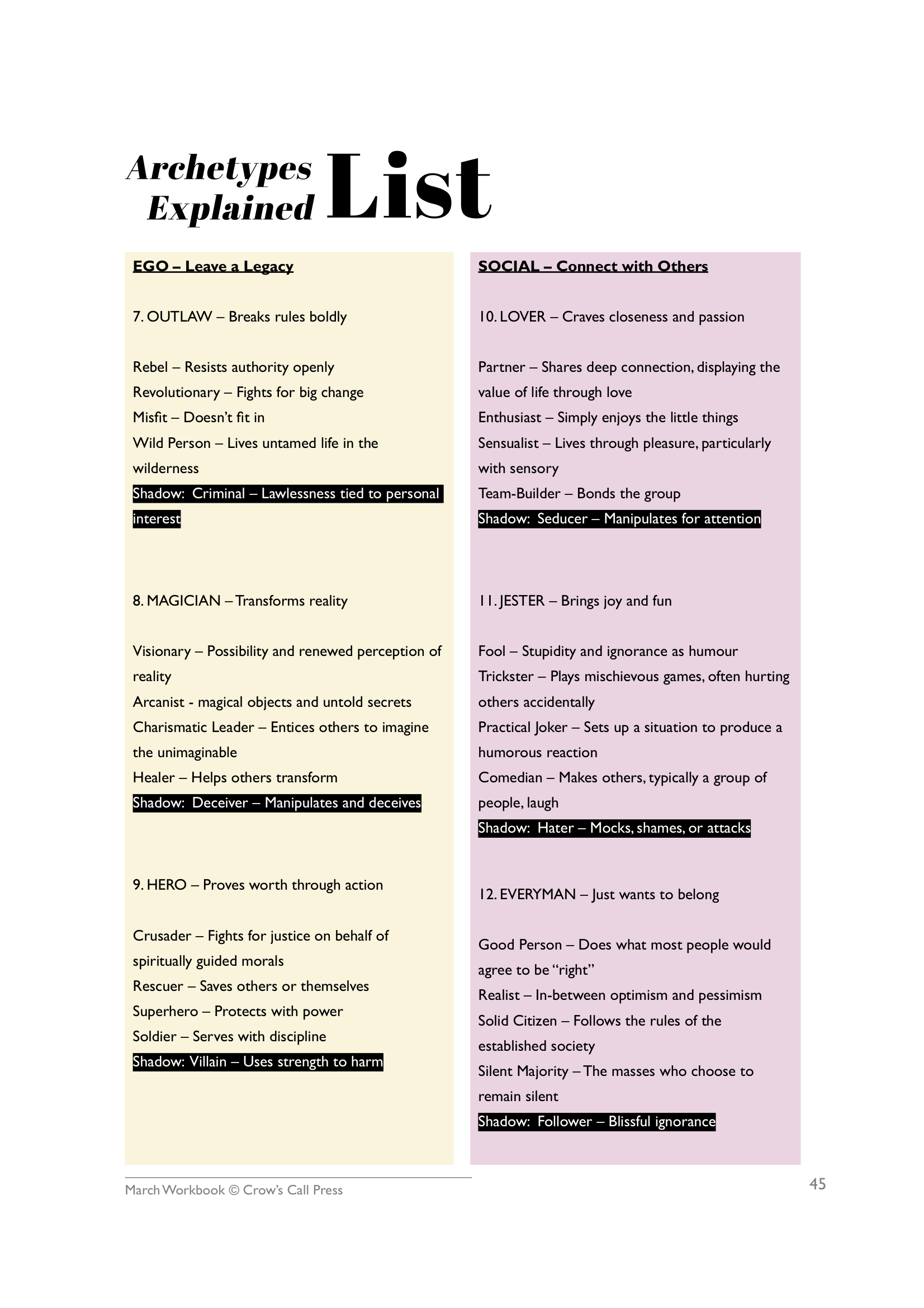
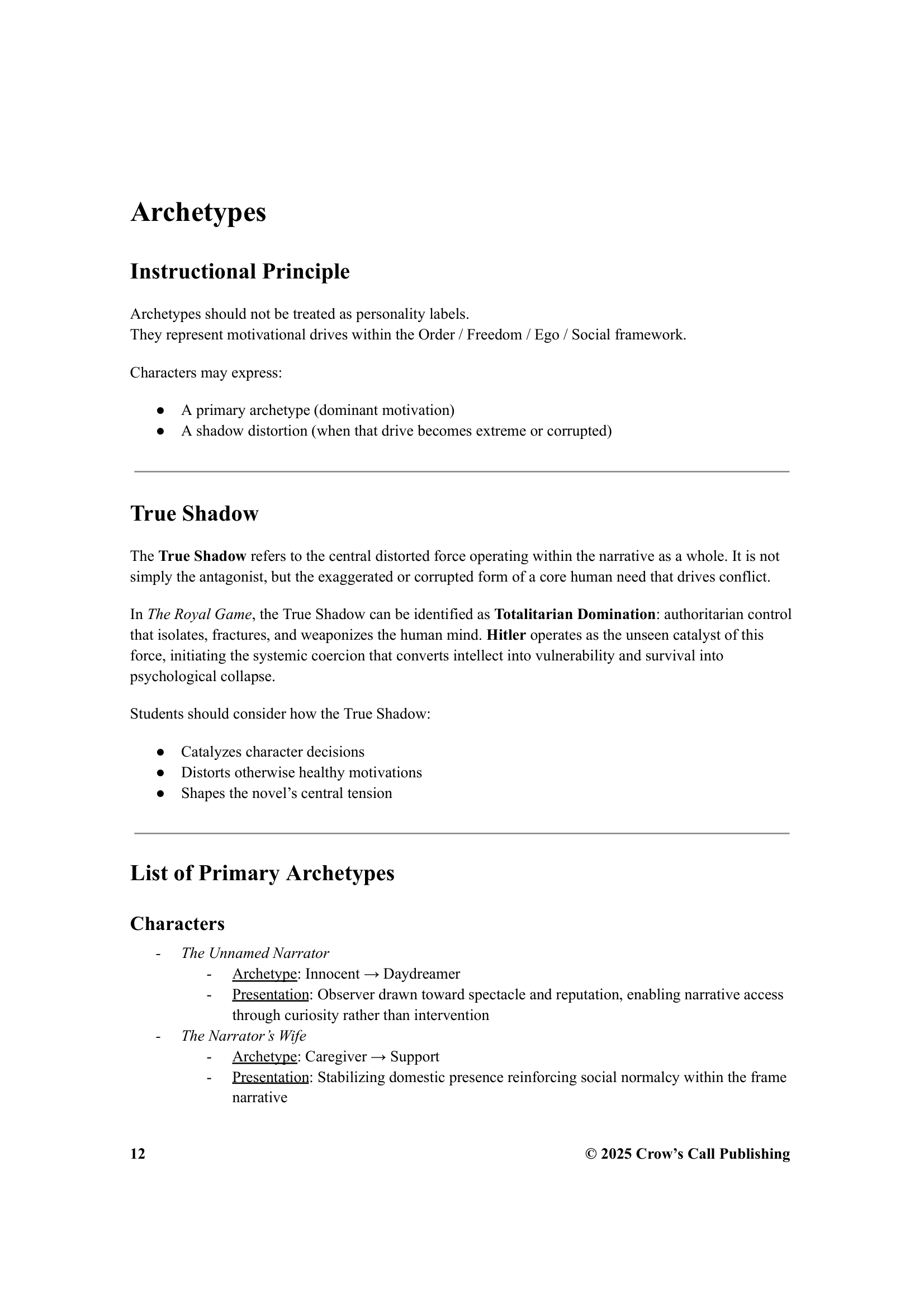
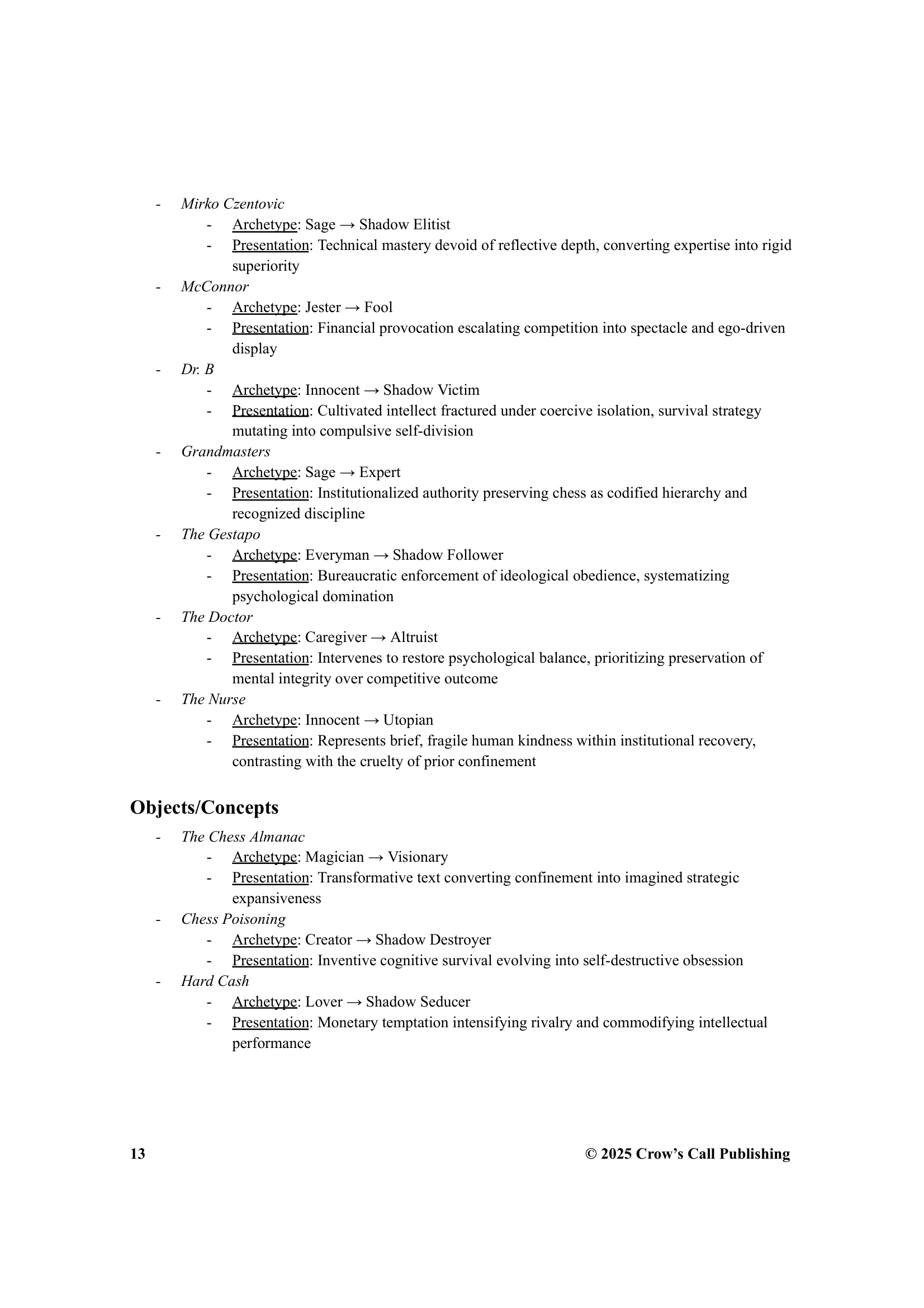
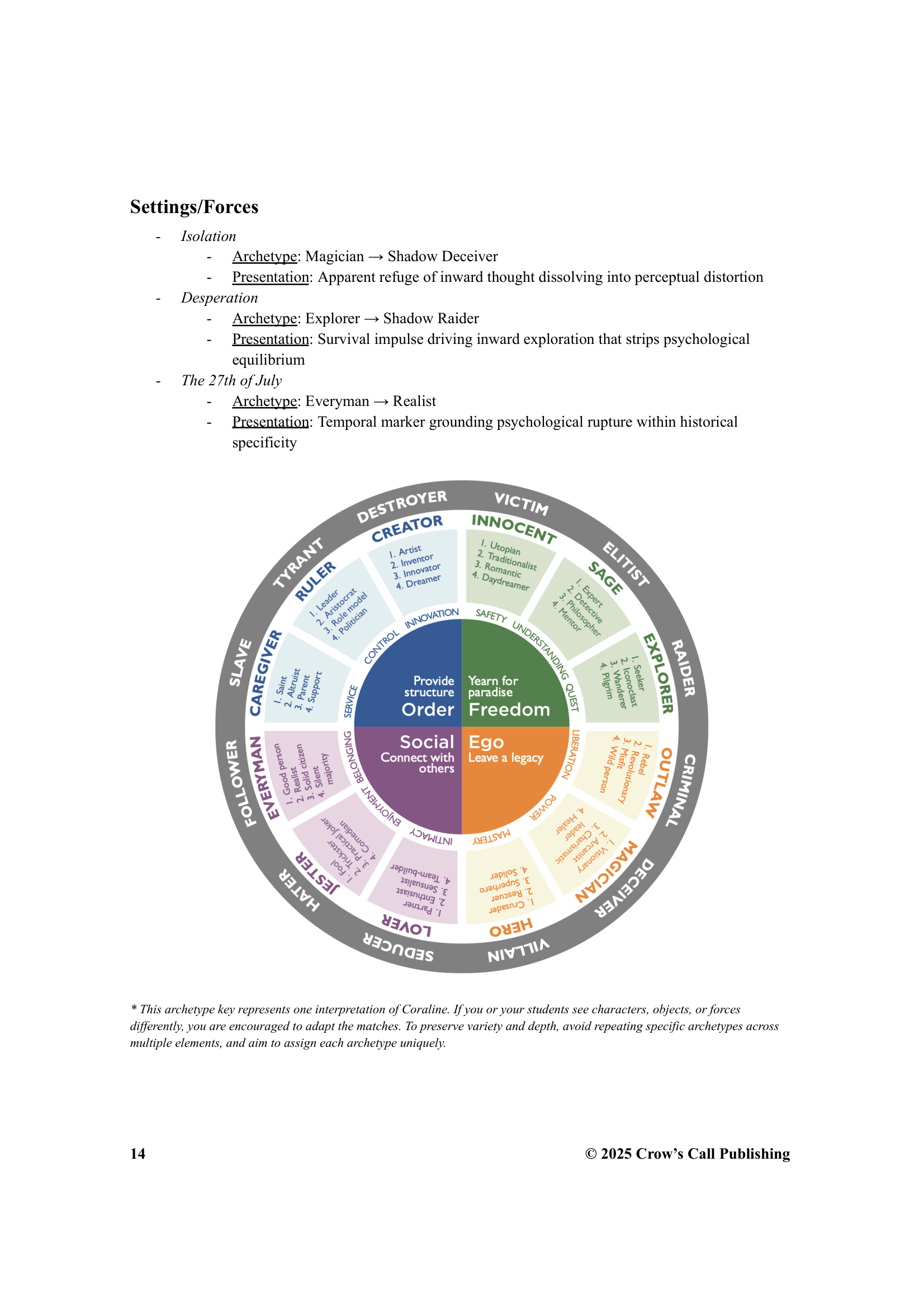
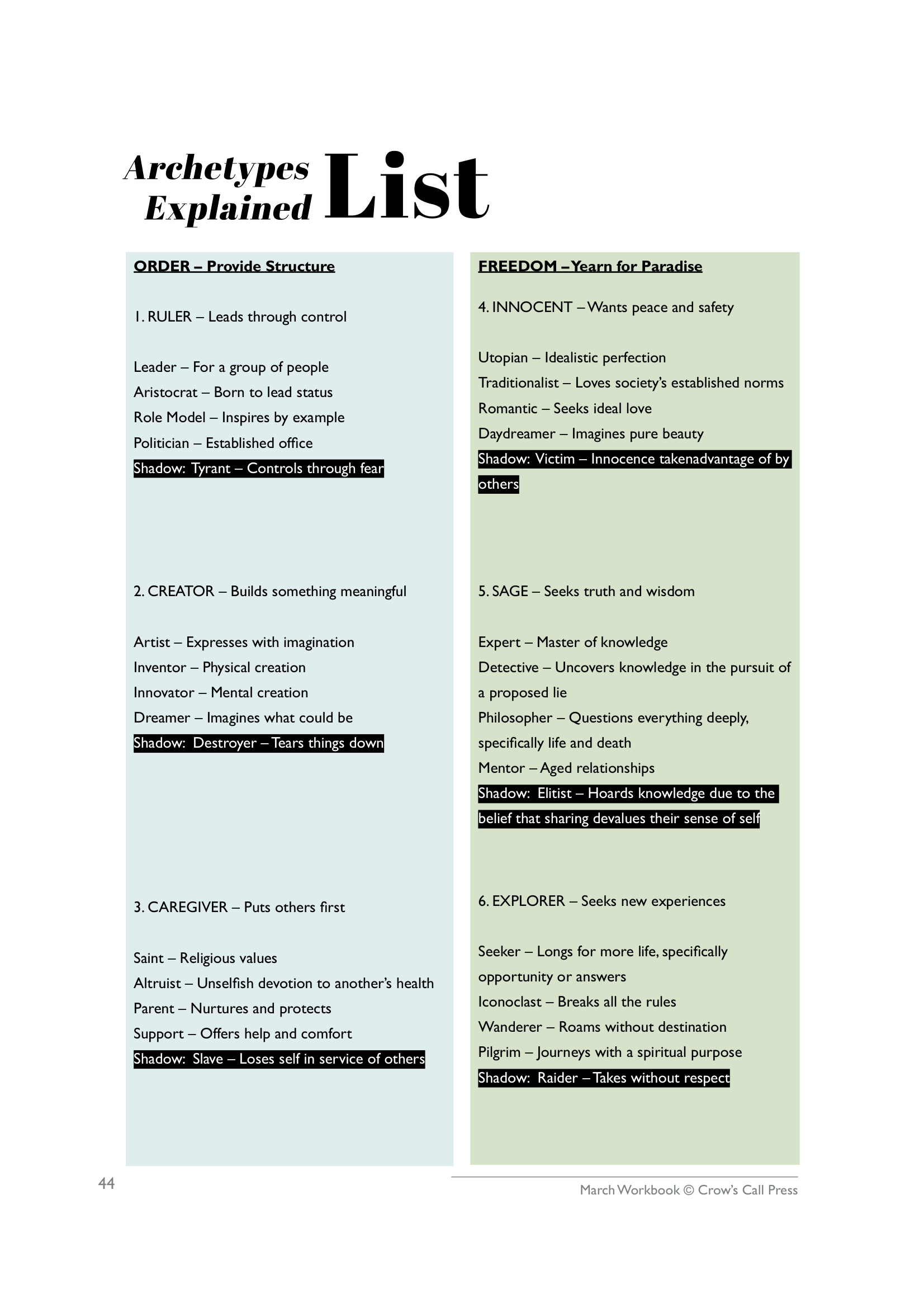
Readers identify universal character types and narrative patterns drawn from myth, folklore, and cross-cultural storytelling. Students learn to connect characters to archetypes and analyze how those patterns shape meaning.
Lens 02 - Allusions & Symbolism
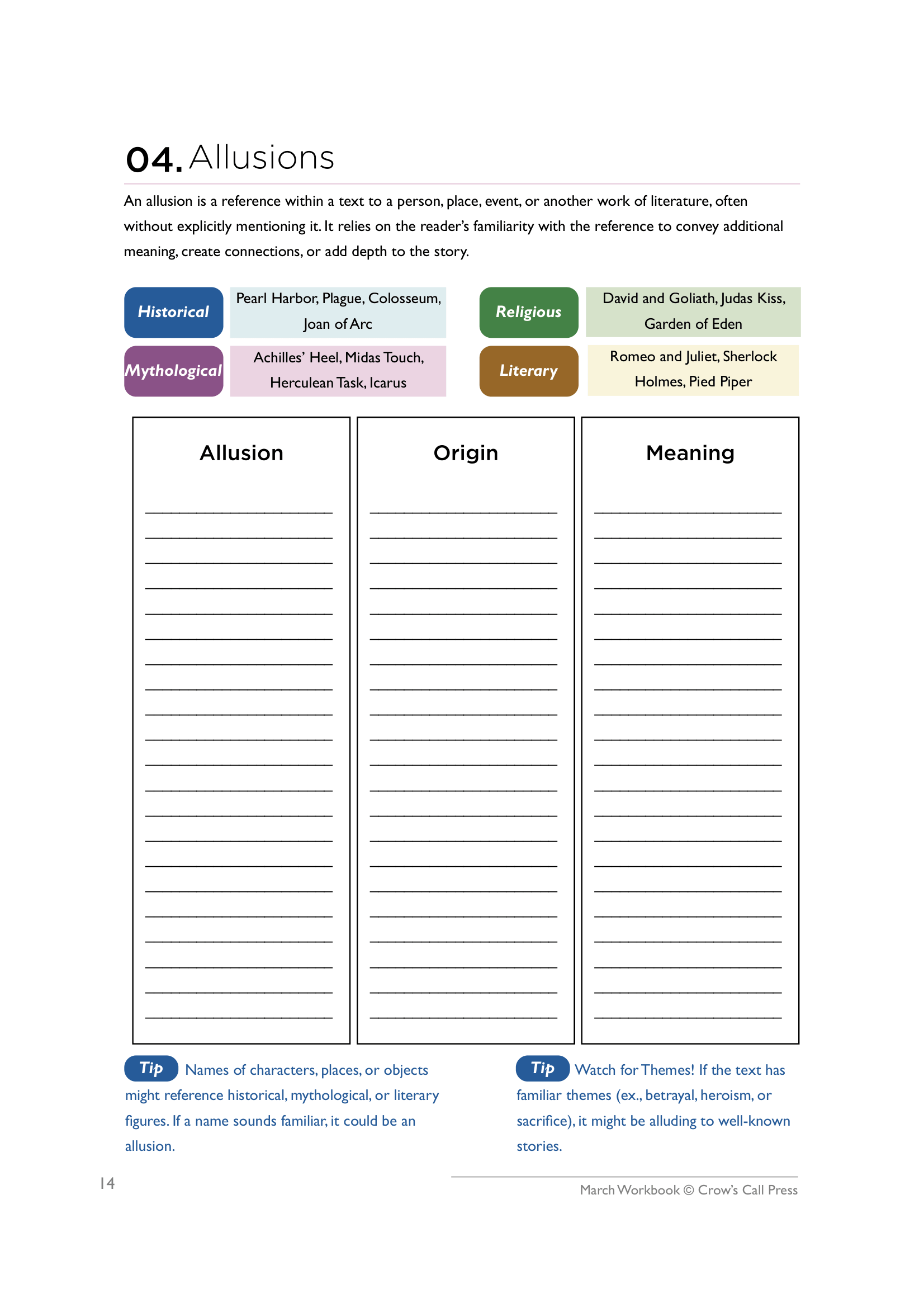
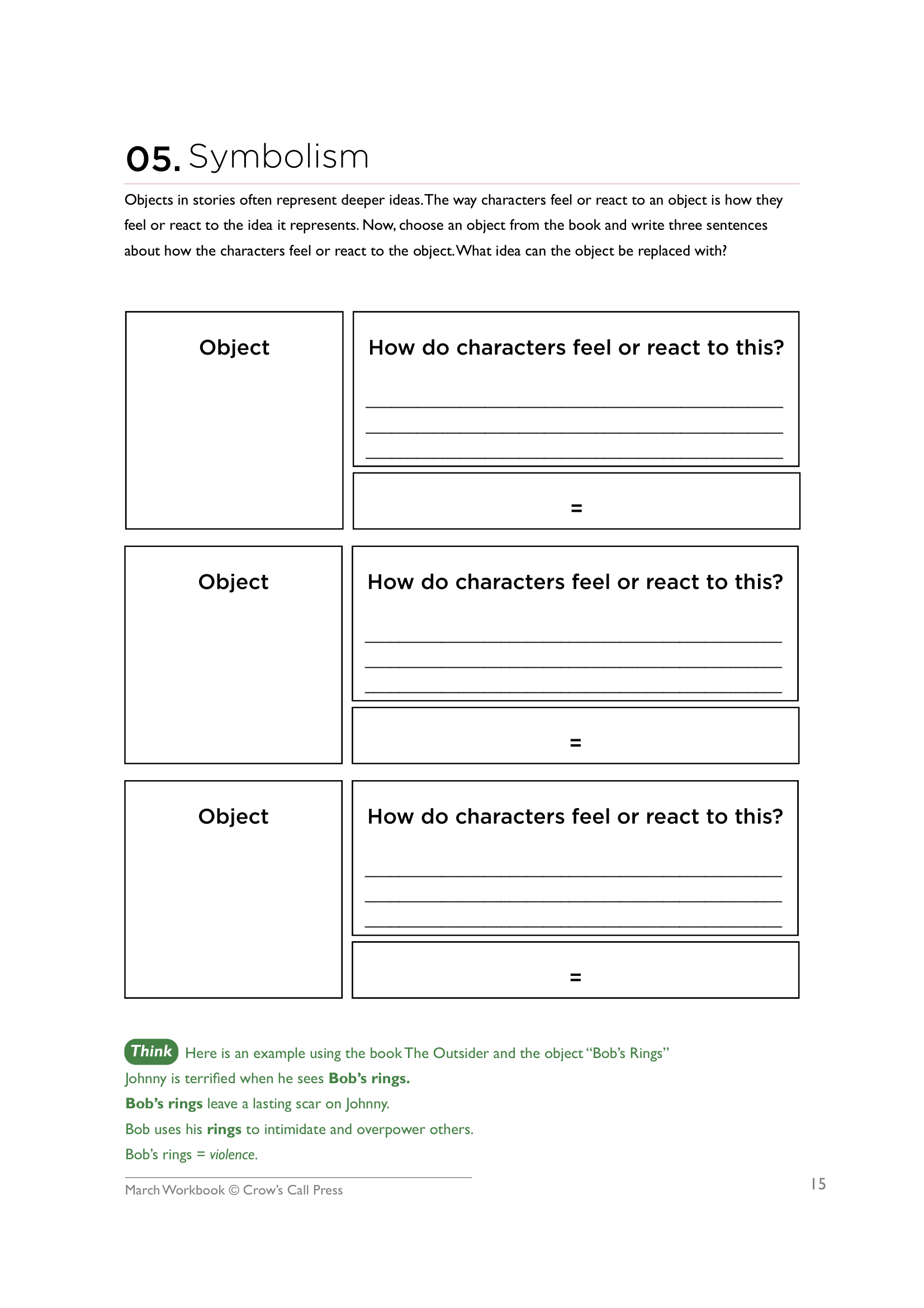
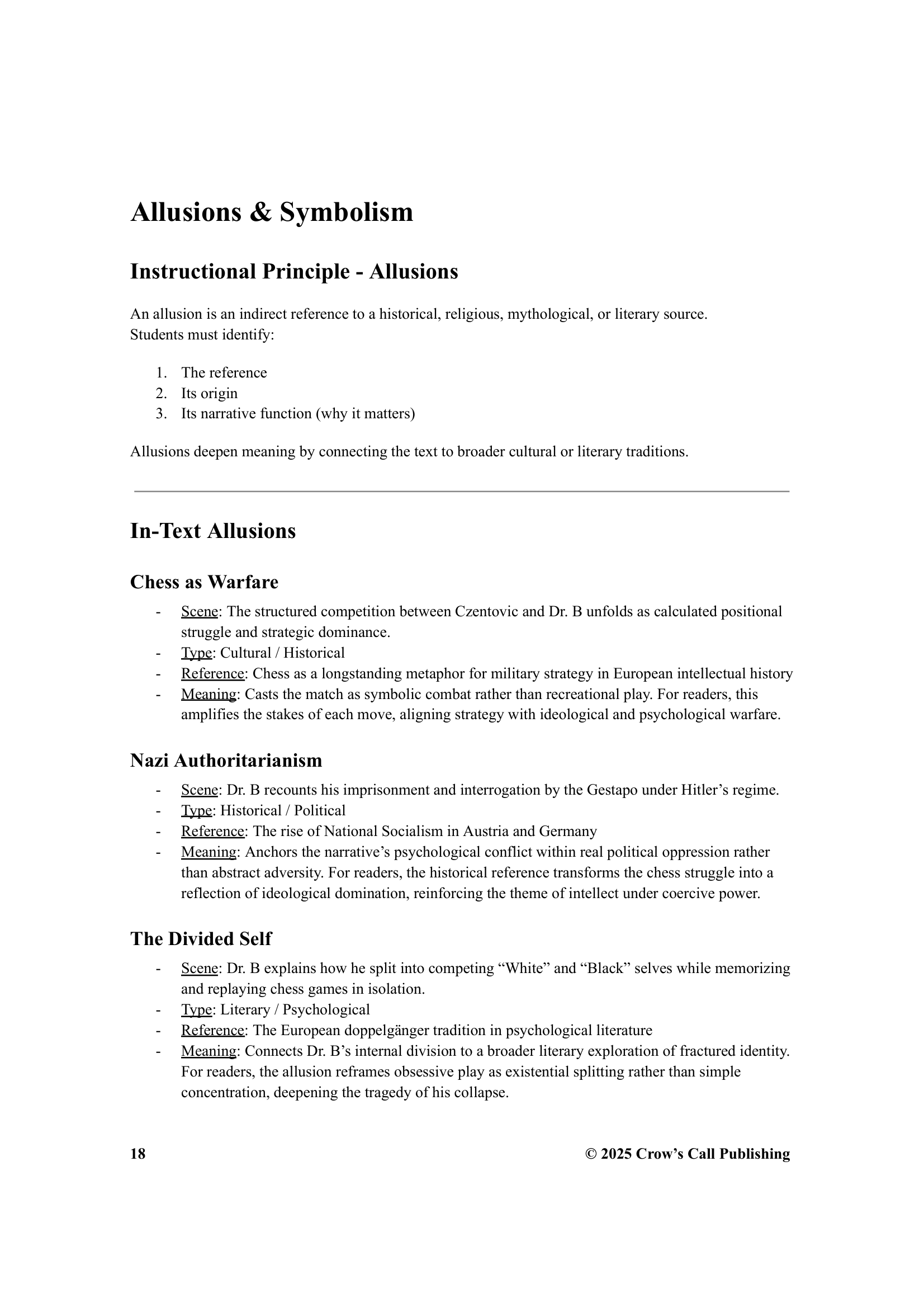
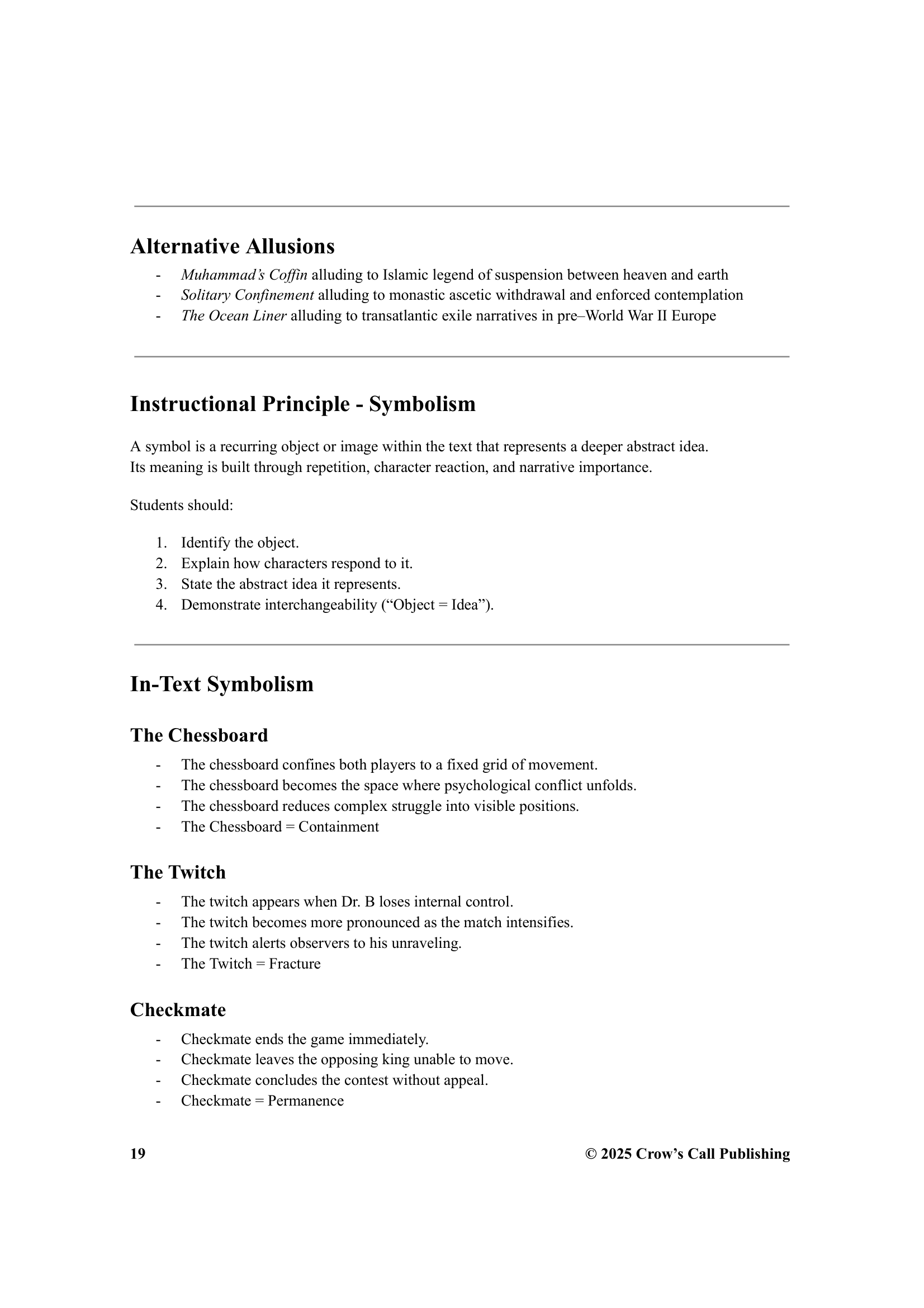
Readers identify references and symbolic objects/images within a text, then interpret what they signify in context. Students practice the distinction between surface detail and interpretive depth.
Lens 03 - Theme Analysis
Readers construct a thematic claim supported by textual evidence. Students move beyond "the theme is" statements toward fully developed arguments about what a text communicates and how.
$ 02

Instructional Challenge

Literary analysis instruction often produces a predictable failure mode: students learn the names of literary devices but cannot use them analytically. They can identify that a symbol is present without explaining what it means, or name a theme without constructing a supporting argument. The gap between recognition and interpretation is where most teaching falls short.

A second challenge is coherence across a multi-year curriculum. When each text or unit introduces analytical vocabulary independently, students experience literary analysis as a collection of disconnected tools. The Narrative Analysis System addresses this by establishing three durable lenses that apply across texts, genres, and levels, so learners develop analytical fluency rather than rote familiarity.

Each lens also needed to scaffold toward written response. Many students can participate in analytical discussion but struggle to transfer that thinking into prose. The workbook design embedded within each lens links observation and interpretation directly to the structure of a written response, reducing the cognitive distance between reading and writing.

$ 03

Design Approach

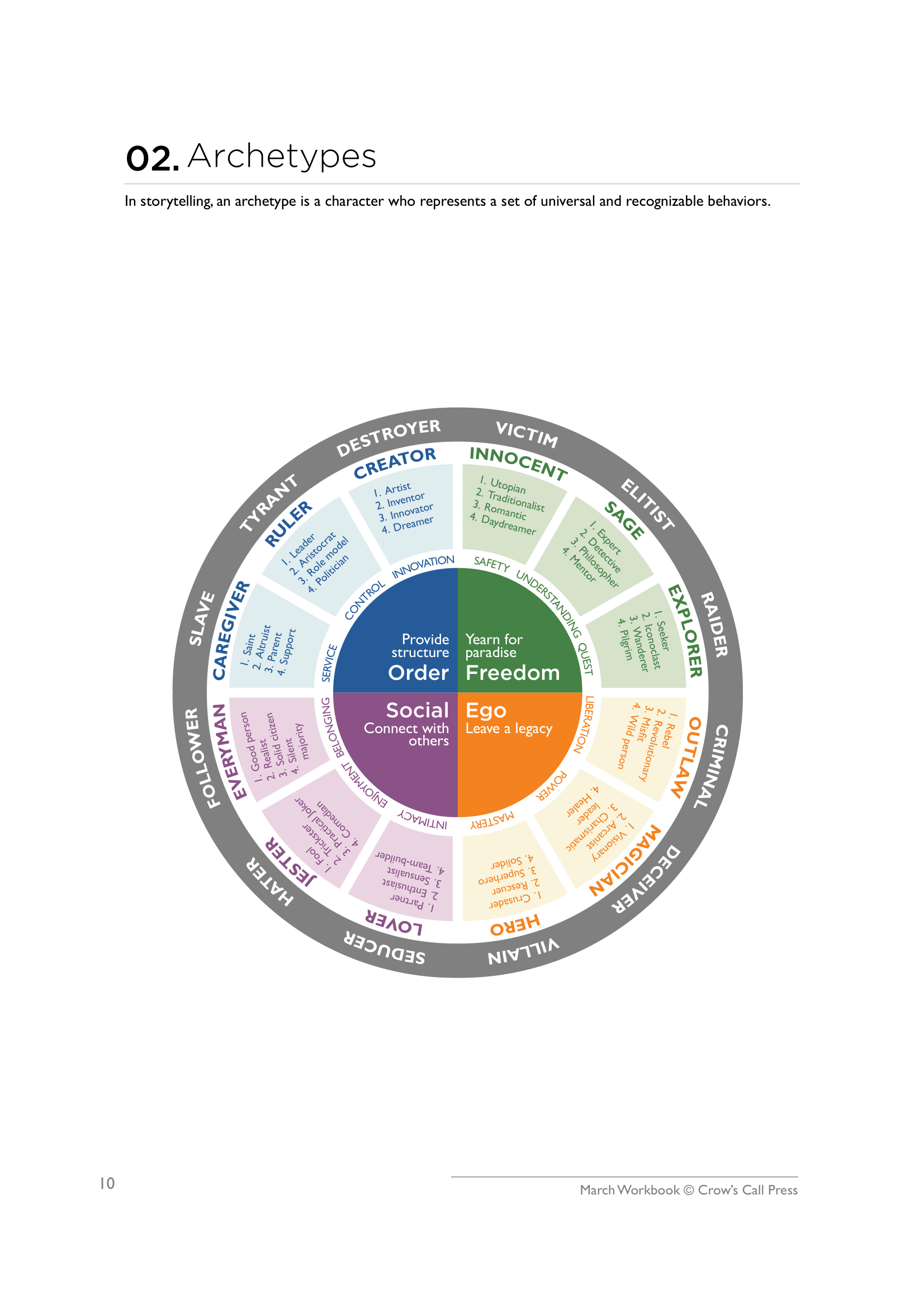
Each lens in the Narrative Analysis System follows a consistent three-part structure: a conceptual diagram that introduces the interpretive model, a guided workbook section that scaffolds application, and a response framework that connects analysis to writing. This consistency allows learners to focus on the interpretive work itself rather than adapting to new formats with each lens.

Design Principles
Transferable Structure
Each lens uses the same design logic (concept diagram, guided analysis, response scaffolding) so students can apply their understanding of one lens to accelerate work with the next.
Conceptual Before Textual
Diagrams introduce the interpretive model before any specific text is applied. Students develop a mental schema for the lens prior to encountering evidence in the text.
Guided to Independent
Workbook pages move from heavily structured guided analysis toward more open-ended independent tasks, building confidence and reducing scaffolding as competence develops.
Analysis Linked to Writing
Each lens connects directly to a response type. Students are not asked to analyze and then write separately; the workbook architecture treats interpretation as the first stage of written argument.
$ 04

Framework in Practice

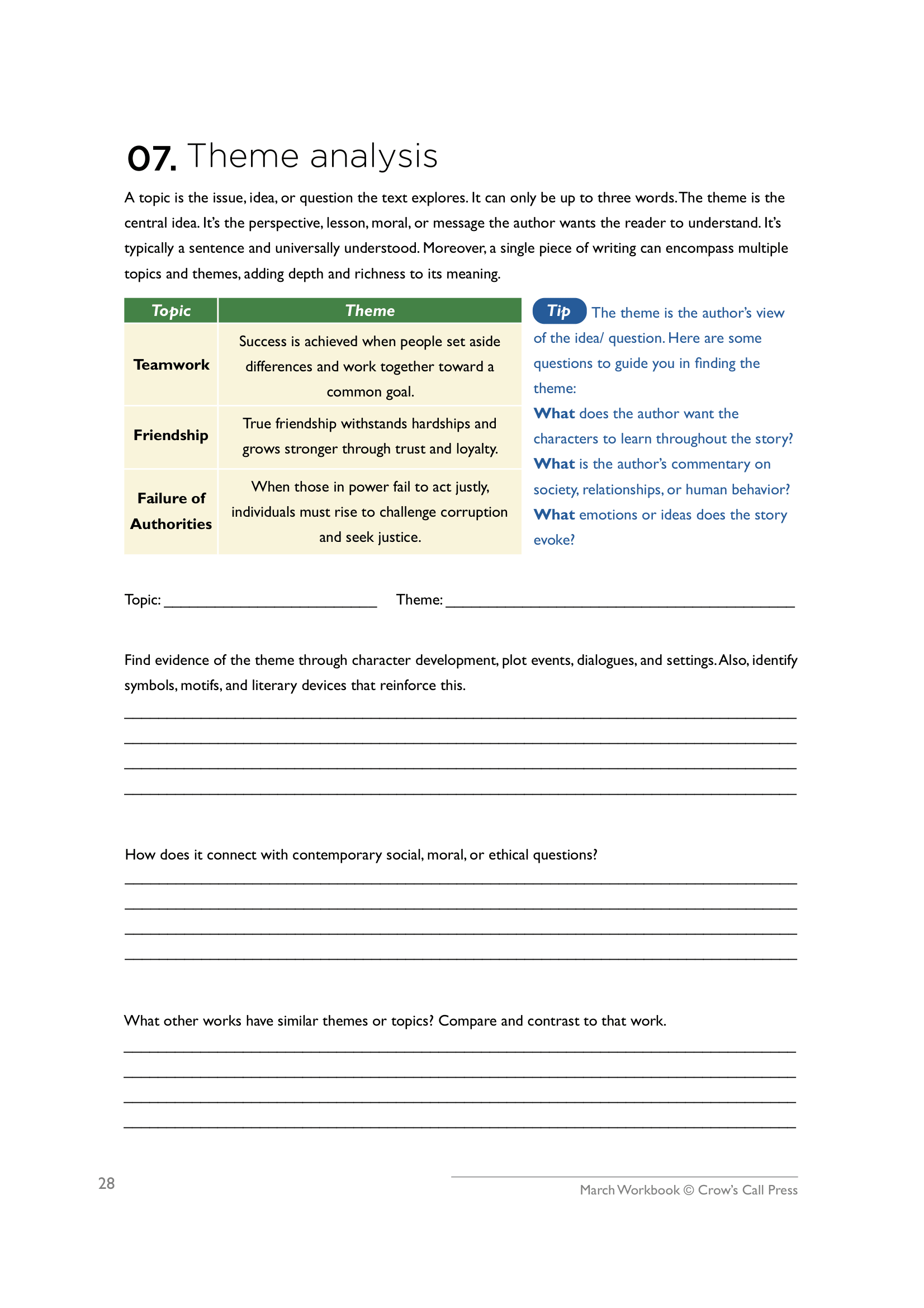
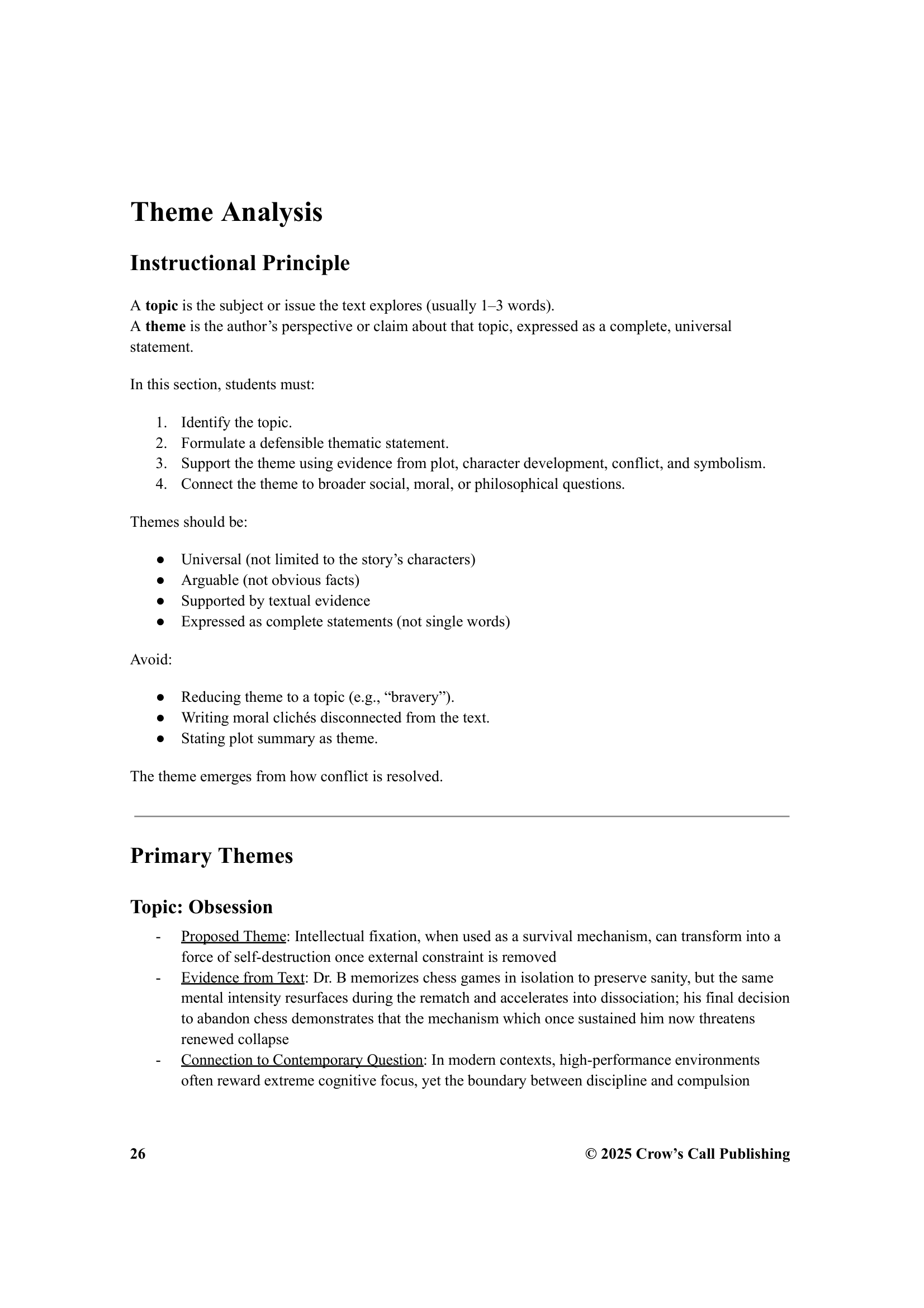
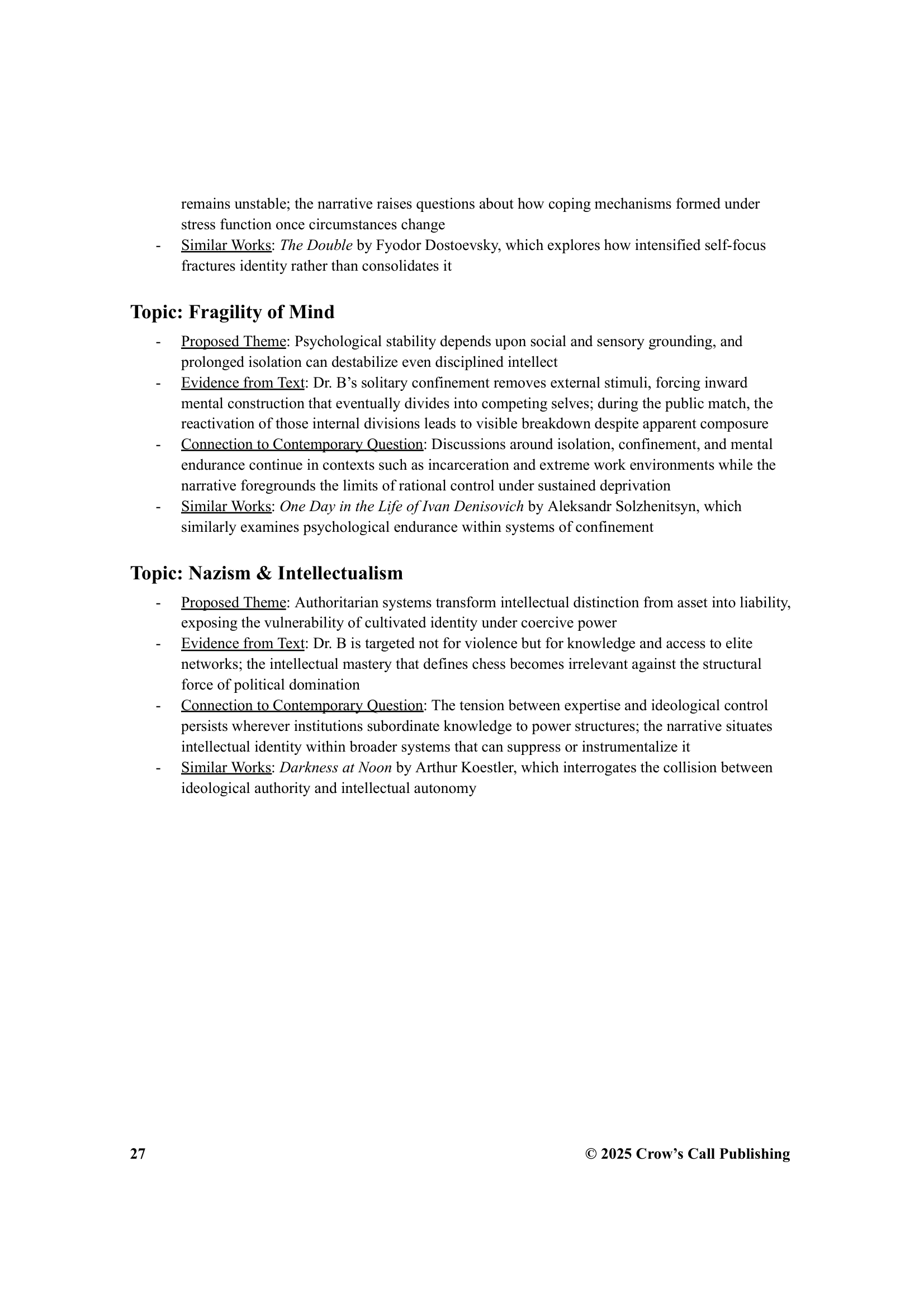
The following documentation illustrates each lens as developed for use in the Crow's Call Press curriculum. For each lens, the conceptual diagrams establish the interpretive model, and the workbook pages show how students apply the framework to a specific text.

Lens 01 - Archetypes
Archetype Wheel diagram Order vs Freedom axis diagram Ego vs Social axis diagram
Archetypes workbook page 1 Archetypes workbook page 2 Archetypes workbook page 3
Lens 02 - Allusions & Symbolism
Allusions framework diagram Symbolism framework diagram
Allusions and Symbolism workbook page 1 Allusions and Symbolism workbook page 2
Lens 03 - Theme Analysis
Theme Analysis framework diagram Theme Analysis workbook page 1 Theme Analysis workbook page 2
$ 05

Learning Outcomes